It sounds like the opening scene of an action movie. Someone tried to break into the systems running a dam outside Chicago.
But this one is real, and it happened this week.
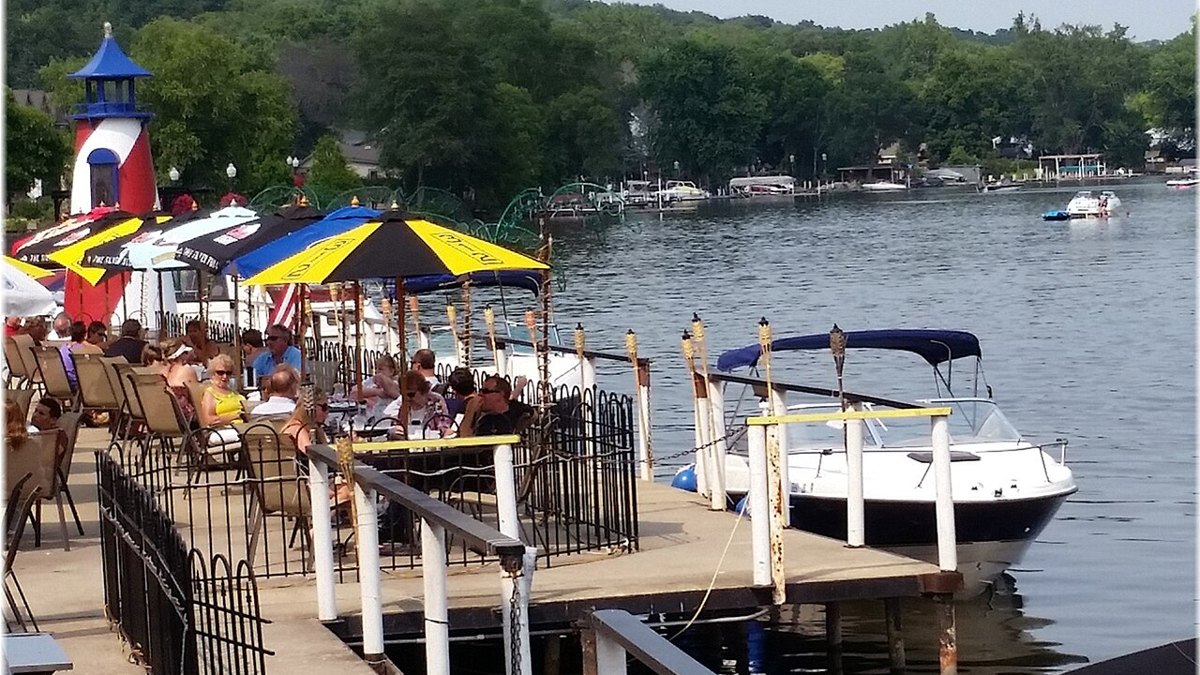
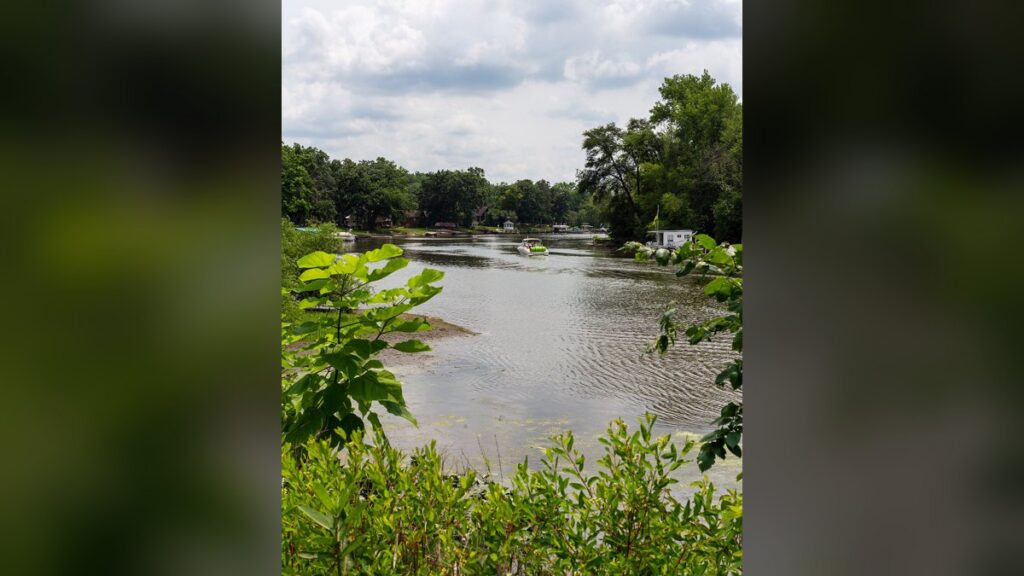
The Illinois Department of Natural Resources says it is investigating an apparent cyberattack attempt on the Algonquin Dam, which sits on the Fox River in McHenry County, northwest of Chicago.
Here’s what we know so far, and what we don’t.
What happened
The incident happened Monday, Nov. 16, according to the IDNR. The department’s Office of Water Resources, which operates the dam, said staff immediately took action to block any unauthorized access.
The facility “took immediate action to keep the dam secure and fully operational,” the department said.
The investigation became public on Friday, Nov. 20. Illinois State Police, the Illinois Emergency Management Agency, the Illinois Department of Innovation and Technology and the federal Cybersecurity and Infrastructure Security Agency are all helping.
What we don’t know
Quite a lot, honestly.
Officials haven’t said who was behind the attempt. They haven’t said exactly how it happened, or whether the intruders reached any systems that actually control the dam. They haven’t said whether anything was damaged or stolen.
What they have said is that the dam stayed secure and kept working the entire time. No flooding, no shutdown, no danger to people living along the river.
The question everyone is asking
The most common reaction from people hearing this story is a simple one: why is a dam connected to the internet in the first place?
It’s a fair question. Many modern dams, water plants and utilities run on industrial control systems that operators can reach over a network. That lets staff monitor conditions and make adjustments without someone standing at every gate and valve.
The upside is efficiency. The downside is that anything reachable over a network can be targeted. Security experts have warned about this risk for years, especially for older systems that weren’t designed with hackers in mind.
Some people joked about aging equipment or blamed human error. Others were more worried, wondering what would happen if an attack like this ever succeeded.
Part of a bigger week
The Algonquin incident is one of several cyber problems at public agencies disclosed around the same time. The USDA and the West Virginia Legislature also reported cybersecurity incidents this week, and the FBI is investigating a separate breach of a national crime database.
That has left a lot of people feeling uneasy, especially after a string of tech outages in recent weeks.
But it’s important not to connect dots that officials haven’t connected. The IDNR said there’s no indication the dam incident is linked to any of the recent nationwide outages, and nothing official ties the different cyber incidents together.
Should people nearby worry?
Based on what officials have shared, there’s no ongoing danger. The dam is working normally, and the attempt was caught and stopped quickly.
If anything, the story shows why the people running critical infrastructure need to keep watching their systems closely. In this case, they did.
Why water systems are a target
This isn’t the first time water infrastructure has drawn attention from hackers. Over the past several years, federal officials have repeatedly warned that water plants, dams and other utilities are attractive targets because many rely on older equipment and small staffs.
Unlike a bank or a tech company, a local water agency may not have a large security team. Some systems still use default passwords or outdated software. That makes them easier to probe, even if most attempts are caught.
In the Algonquin case, the good news is that the attempt was noticed and stopped. That suggests monitoring was in place and staff knew what to do. Still, every incident like this adds pressure on state and federal agencies to invest in better protection before an attempt gets further than this one did.
What happens next
Investigators will try to figure out where the attempt came from and how far it got. It may take a while before officials share more, especially if federal agencies are involved.
In the meantime, the bigger conversation is already happening: how many other dams and utilities are just as exposed, and what is being done to protect them?
Do you think critical systems like dams should be connected to networks at all?