The details sound almost impossible.
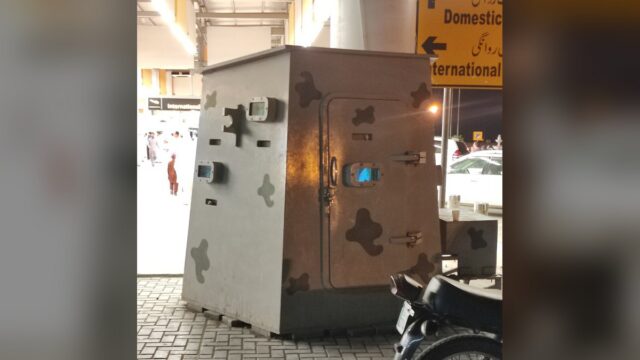
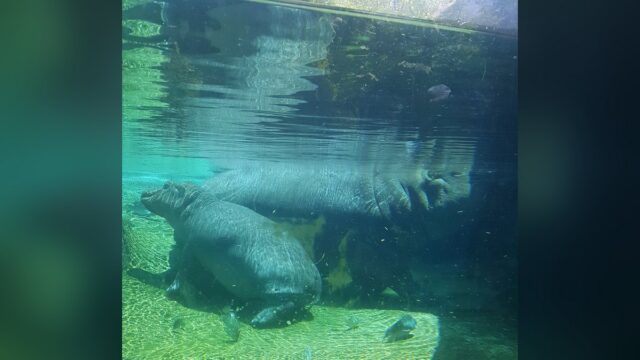
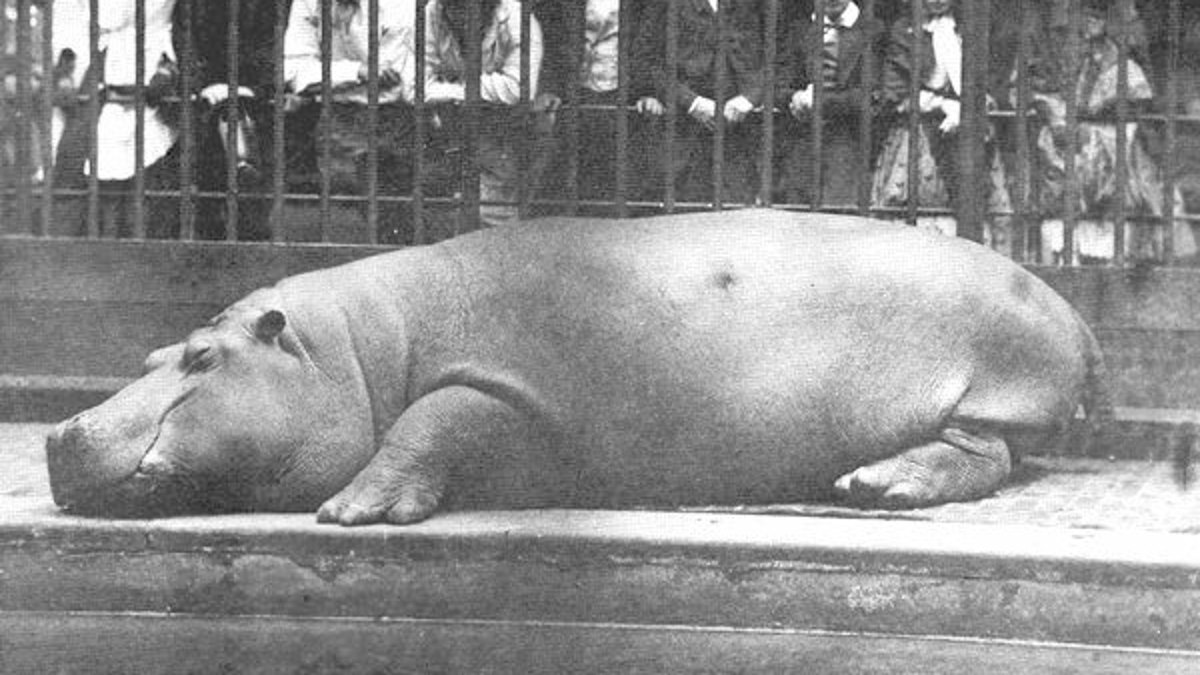
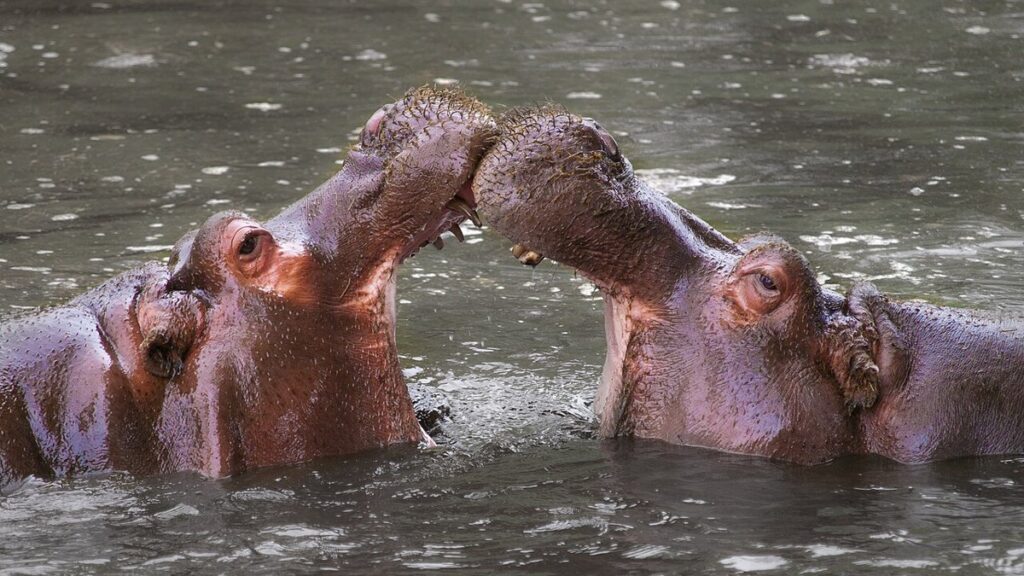
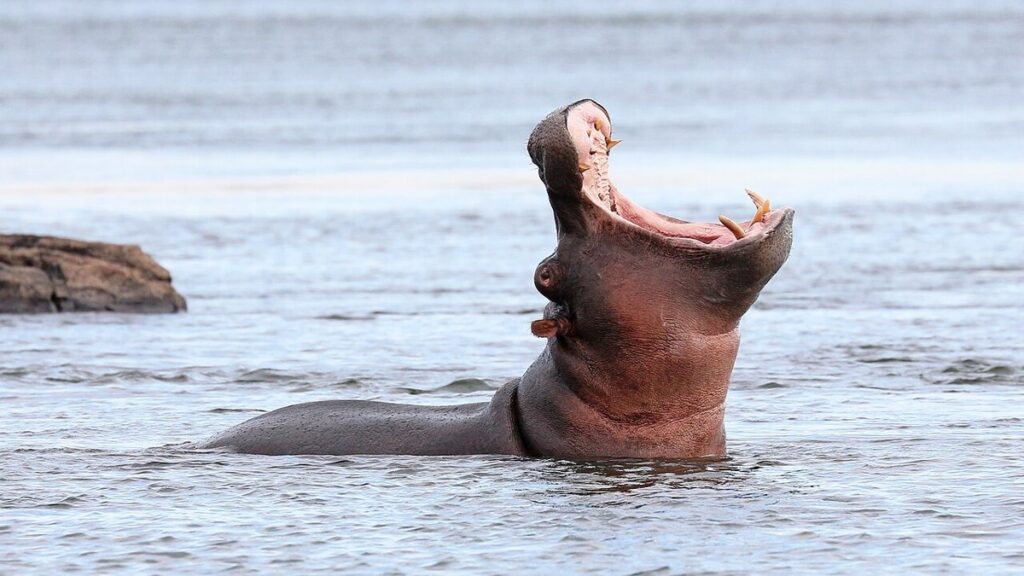
According to reports, a knit hat was tossed into the air by a visitor at the Cincinnati Zoo. A ceiling fan caught it and sent it flying through a gap of about one foot above the 12-foot viewing windows. It landed in Fiona’s habitat. Fiona swallowed it. On Thursday, the zoo announced that the 9-year-old hippo had died.
The zoo has been clear about how it sees what happened.
“We probably couldn’t make that happen again if we tried. It was clearly an accident,” a spokesperson said.
Many people agree. Plenty of others aren’t ready to leave it there.
Side one: this was a one-in-a-million event
Start with the zoo’s case, because it’s a strong one.
Nobody threw anything at Fiona. A hat went up in the air, which happens around any crowd, and a fan above sent it on a path nobody could have predicted. The gap it went through is about a foot wide and sits above glass that’s 12 feet tall. That’s not a design anyone would look at and call careless.
Zoos plan for people throwing food, coins, trash. They don’t usually plan for a ceiling fan turning into a slingshot. When the zoo says it couldn’t recreate this if it tried, that’s probably true.
There’s also a basic point about blame. The visitor who tossed the hat didn’t do anything malicious. Losing Fiona this way is awful, but turning it into a hunt for a villain doesn’t help anyone, and it’s especially unfair to whoever was holding that hat.
Side two: a gap is a gap
Now the other side, which a lot of fans keep raising.
If something can get from the visitor area into an animal’s habitat, it eventually will. The fan was there. The opening was there. Maybe this exact chain of events was a fluke, but the path existed, and that’s the part people want looked at.
Some commenters compared it to the infamous Steve Bartman moment in baseball, a bizarre accident where nobody meant harm and everyone still looked for someone to blame. Others went straight to the safety question. Why is there any opening above an enclosure that size? Why is a fan blowing near it? Would a mesh screen have stopped this?
These aren’t crazy questions. They’re the kind of questions that usually lead to changes, and changes are how something like this doesn’t happen twice.
The weight of history in Cincinnati
It’s impossible to talk about this without mentioning that it’s the same zoo where Harambe the gorilla was shot in 2016 after a child got into his enclosure. That moment sparked a national debate about zoo safety and parental responsibility that still comes up today.
So when people hear “Cincinnati Zoo” and “accident” in the same sentence again, the reaction is fast and emotional. Fair or not, the zoo is carrying that history.
What fans are asking the zoo to do
The suggestions coming from fans have been practical rather than angry. Close the gap above the glass. Move the fan or put a guard over it. Add a mesh screen so nothing lighter than a person can make it across. Review every exhibit with a similar layout, not just the hippo building.
Those are cheap fixes compared with what was lost. And zoos make changes like this all the time, usually without much attention. Barriers get raised. Signs get added. Openings get covered. Most visitors never notice.
What would help most is the zoo saying publicly what it found when it looked at the space. People trust an institution more when it explains its own review instead of waiting for someone else to ask. The zoo’s statement made clear nobody intended harm. The next step is showing that this path is closed for good.
Where the truth probably lands
Both things can be true. This was a freak accident that nobody saw coming. And the zoo can still take a hard look at every opening, every fan and every gap between visitors and animals.
The zoo hasn’t announced any changes yet. If it does, that won’t be an admission of guilt. It’ll be the right call.
What nobody should do is pile onto the visitor. A hat went up in the air. That’s all. The rest was a chain of bad luck that ended with a hippo millions of people loved.