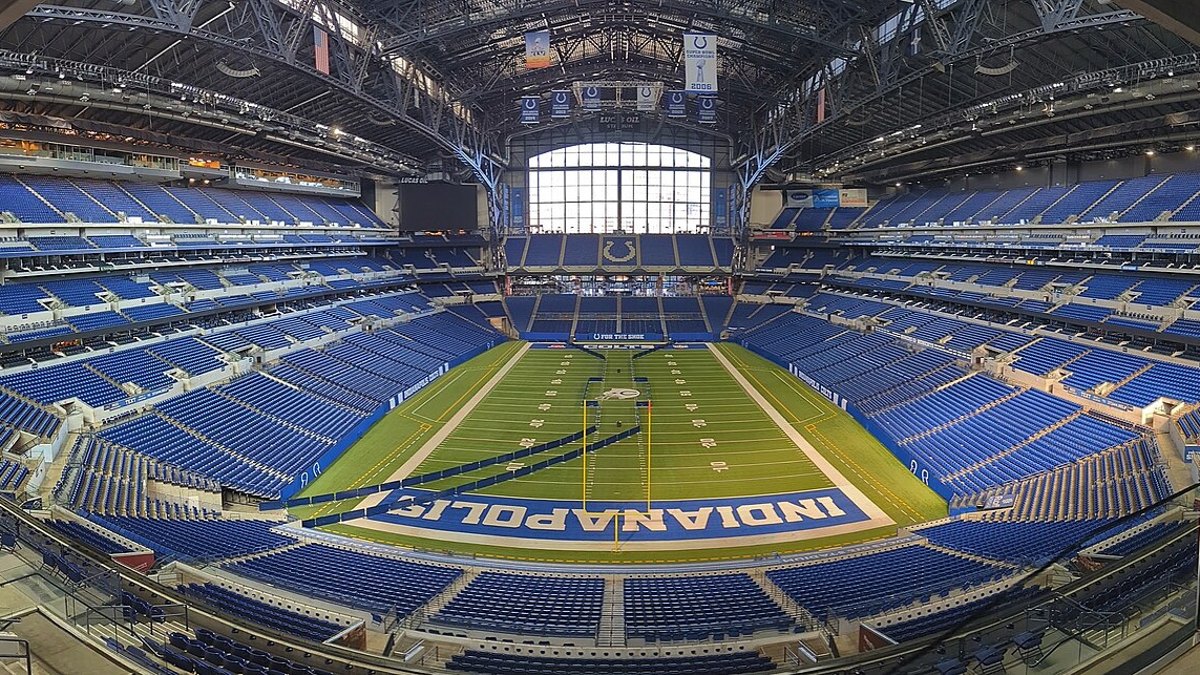
The scoreboard said 26-3. But the number that summed up the Indianapolis Colts on Thursday night was 167.
That’s how many total yards they managed against Houston. One hundred sixty-seven. The Texans had 355. Indianapolis fell to 3-8, and by the fourth quarter, the team had pulled its starting quarterback and fans were wondering how a season this expensive went this wrong this quickly.
To understand it, you have to go back to the decisions that built this roster.
The quarterback gamble
The Colts handed Daniel Jones a contract reported at $88 million with $60 million guaranteed. He was coming off an Achilles injury at the time, which made the deal a big bet on a quick recovery and a stable veteran presence.
On Thursday, that bet ended with Jones on the bench and Anthony Richardson finishing the game. For a team that spent that kind of money, being forced to pull the plug in the middle of a nationally televised blowout is about as bad as it gets.
The trade that hasn’t paid off
Then there’s the move that was supposed to fix the defense. Indianapolis sent two first-round picks and receiver AD Mitchell away to land star cornerback Sauce Gardner. It was a headline trade, the kind teams make when they think they’re one piece away.
Gardner was listed as inactive for Thursday’s game. So the Colts watched C.J. Stroud carve them up for three touchdowns without the player they gave up two first-rounders to get.
Plenty of fans did the math out loud. Two firsts. A young receiver. A huge quarterback contract. Alec Pierce reportedly getting paid $114 million. And a 3-8 record to show for all of it.
The fire sale
Somewhere along the way, the Colts seemed to realize where this was heading. Around the trade deadline, they moved veterans in what looked a lot like a fire sale. That’s what teams do when they’ve stopped thinking about this year and started thinking about the next one.
The problem is the contracts they’ve already signed don’t go away. A team can sell off pieces, but it can’t sell off guaranteed money.
The owner was watching
One image from Thursday stuck with people more than any play. Cameras caught owner Carlie Irsay in her box, taking notes as the game slipped away.
Maybe she was writing a grocery list. But fans didn’t read it that way. To a fan base watching its team get blown out on national television, it looked like somebody was finally keeping a record of what’s gone wrong. And a lot of people seem to think that list starts with general manager Chris Ballard.
Who takes the fall?
That’s the question hanging over Indianapolis now. Ballard built this roster. He signed off on the Jones deal and the Gardner trade. Head coach Shane Steichen has also taken heat for an offense that couldn’t move the ball against Houston.
Teams in this spot usually make a change. The only debate is whether it happens now or after the season. And when the owner is visibly taking notes during a 26-3 loss, it’s hard not to think the clock is already running.
How fast it fell apart
What stands out is the speed of it. Teams usually unravel over a couple of seasons. Indianapolis went from making aggressive, win-now moves to selling veterans in a matter of months. That kind of reversal usually means the front office misread its own roster.
The Jones signing assumed he’d come back from the Achilles injury as the steady player the Colts hoped for. The Gardner trade assumed the defense was the missing piece. Both bets were placed at the same time, which meant there was no fallback if either went wrong. Thursday showed both going wrong in the same game: the quarterback benched and the star corner not even dressed.
Fans can live with losing. What frustrates them is paying a premium to lose. That’s the feeling hanging over this team right now.
Is there any way out?
There is one bright spot, and it’s a strange one. The fourth-quarter switch to Anthony Richardson gave the Colts a chance to see what their former No. 4 pick can do with real snaps. He’s 24, he went 8-7 as a starter, and a lot of fans think he never got a fair shot.
If Richardson plays well down the stretch, this collapse might end with an accidental answer at quarterback. If he doesn’t, the Colts are headed into an offseason with big contracts, missing draft picks and a lot of explaining to do.
Either way, Thursday night felt like a turning point. Not the kind any team wants, but the kind that forces everyone to stop pretending.